Do I Need Council Permission to Remove a Tree in Melbourne?
The short answer is: maybe. Whether a Melbourne homeowner needs council approval depends on overlays, local laws, tree type and where you live. Here's a plain-English guide.
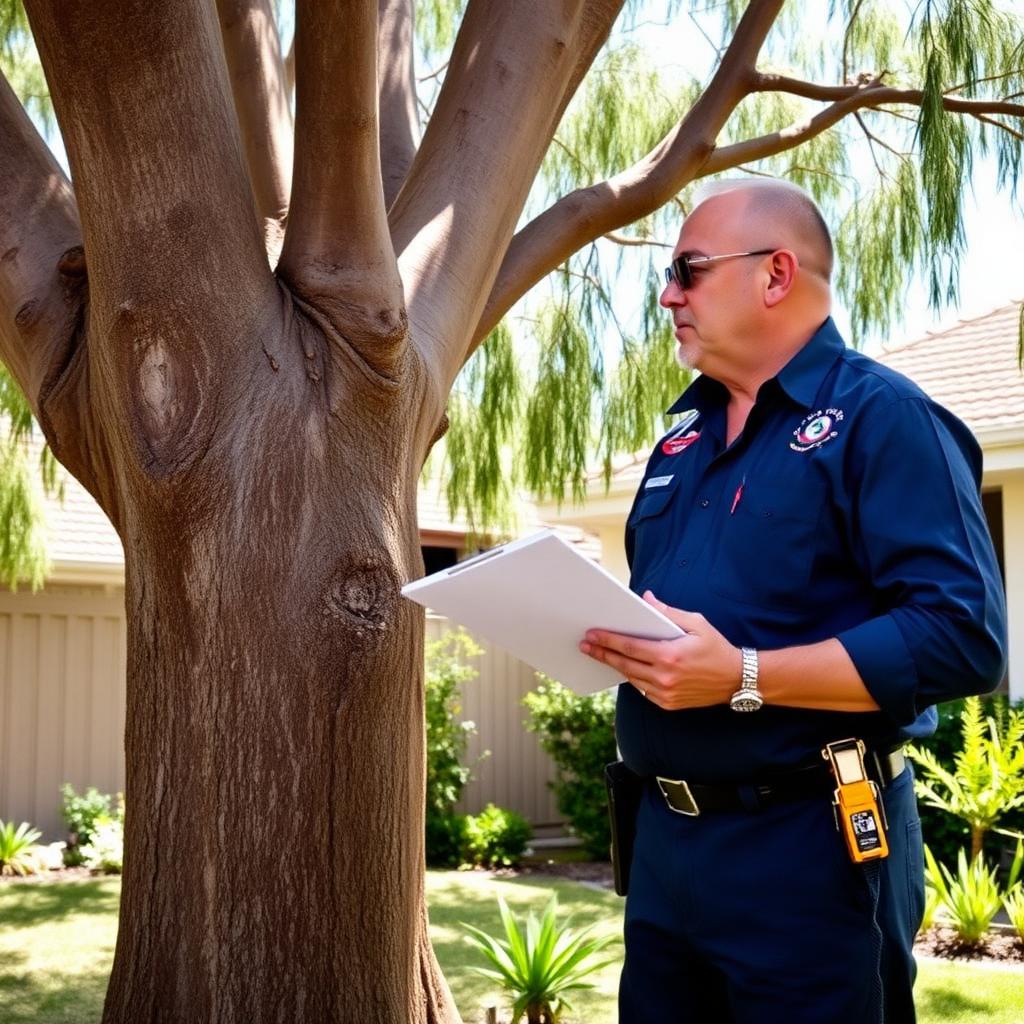
If you're planning to remove a tree from your property, one of the first questions you'll probably ask is:
"Do I need council permission?"
The short answer is: maybe.
In Melbourne, there isn't one simple rule that applies to every property. Whether you need a permit depends on where you live, your property's planning controls, the type and size of the tree, and whether the tree is protected under state or local regulations.
It can quickly become confusing — even for experienced property owners.
This guide explains the basics in plain English and outlines how different councils approach tree removal. If you're unsure, DTS Tree & Stump Removal can help guide you through the process and arrange an arborist report where required.
Why Isn't There One Rule?
Many people assume Victoria has a single law covering tree removal. It doesn't.
Tree protection is governed by a combination of:
- Victorian State planning legislation
- Local council planning schemes
- Local laws and municipal regulations
- Property-specific planning overlays
- Occasionally, permit conditions attached to previous developments
This means two neighbours living only a few streets apart could have completely different requirements. One property may be able to remove a tree immediately, while the other may need council approval before any work can begin.
State Legislation vs Local Council Rules
Understanding the difference is important.
Victorian State Planning Legislation
The Victorian Government establishes the overall planning framework that every council must follow. This includes planning schemes, environmental overlays, heritage protections and vegetation controls that may apply to your land. These controls are legally enforceable across Victoria.
Local Council Laws
Each council also has its own local laws, policies and planning requirements. These may include:
- Street tree protection
- Nature strip trees
- Significant local trees
- Permit application processes
- Replacement planting requirements
- Local environmental objectives
Although councils administer these rules, they must still operate within Victorian planning legislation.
What Are Planning Overlays?
One of the biggest reasons a permit may be required is because your property has a planning overlay. An overlay places additional controls over certain land or vegetation. Here are the most common ones homeowners come across.
Significant Landscape Overlay (SLO)
An SLO is designed to protect landscapes that are considered important to the character of an area. These might include:
- Mature native trees
- Scenic roads
- Rural landscapes
- Established neighbourhood vegetation
If your property has an SLO, removing certain trees may require planning approval, even if the tree is on private land.
Vegetation Protection Overlay (VPO)
A VPO aims to protect important vegetation rather than the appearance of the landscape. It often applies where trees provide environmental benefits such as:
- Wildlife habitat
- Biodiversity
- Native vegetation
- Environmental corridors
Removing protected vegetation under a VPO often requires council approval.
Other Common Overlays
Depending on your property, you may also encounter:
Heritage Overlay (HO)
Protects heritage places and landscapes. Tree removal may require approval if the tree contributes to the heritage significance of the property.
Environmental Significance Overlay (ESO)
Protects environmentally sensitive areas. This may include waterways, native bushland or habitats for protected species.
Bushfire Management Overlay (BMO)
Applies in areas with bushfire risk. Interestingly, this overlay can sometimes allow vegetation removal for bushfire protection, while still requiring compliance with planning rules.
Different Councils Have Different Rules
Every Melbourne council manages tree protection slightly differently. Here are a few examples.
Brimbank City Council
Brimbank generally considers:
- Planning overlays
- Significant vegetation
- Native species
- Development requirements
Properties affected by planning overlays may require permits before tree removal.
Melton City Council
Melton contains a mix of urban growth areas and rural land. Requirements often depend on:
- Property zoning
- Native vegetation
- Planning overlays
- Development approvals
Some properties have relatively few restrictions, while others require formal planning approval.
Wyndham City Council
Wyndham continues to grow rapidly and contains areas with important environmental values. Depending on the property, council approval may be needed where vegetation protection or planning overlays apply.
Hume City Council
Hume includes established suburbs, rural areas and significant conservation land. Planning controls vary considerably across the municipality. Tree removal requirements depend heavily on the property's planning scheme.
Macedon Ranges Shire
This area has some of Victoria's strongest vegetation protections. Many properties contain:
- Significant Landscape Overlays
- Vegetation Protection Overlays
- Environmental Significance Overlays
Permits are commonly required before removing mature trees.
Moorabool Shire
Moorabool contains many rural properties where native vegetation protections frequently apply. Landowners should always check planning controls before removing larger trees.
Mitchell Shire
Mitchell has expanding residential areas alongside farming and bushland. Planning overlays differ greatly depending on location.
Why It Gets So Confusing
Many homeowners try researching online only to find:
- State Government information
- Council planning schemes
- Planning maps
- Local laws
- Permit exemptions
- Native vegetation regulations
Each source uses different terminology. Some rules apply only in certain suburbs. Others only apply if an overlay exists. Others depend on tree species, trunk diameter or previous planning permits. It's easy to see why many people become overwhelmed.
Does a Dead Tree Still Need Approval?
Not always. Many people assume a dead tree can simply be removed. Unfortunately, that isn't always the case.
Some planning overlays still require approval, even if a tree has died. However, if a tree presents an immediate safety risk, there may be exemptions or expedited processes depending on the circumstances. Every situation should be assessed individually.
If a storm has just brought a tree down or left one unstable, see our emergency tree removal service for urgent, after-hours response across Melbourne.
What About Dangerous Trees?
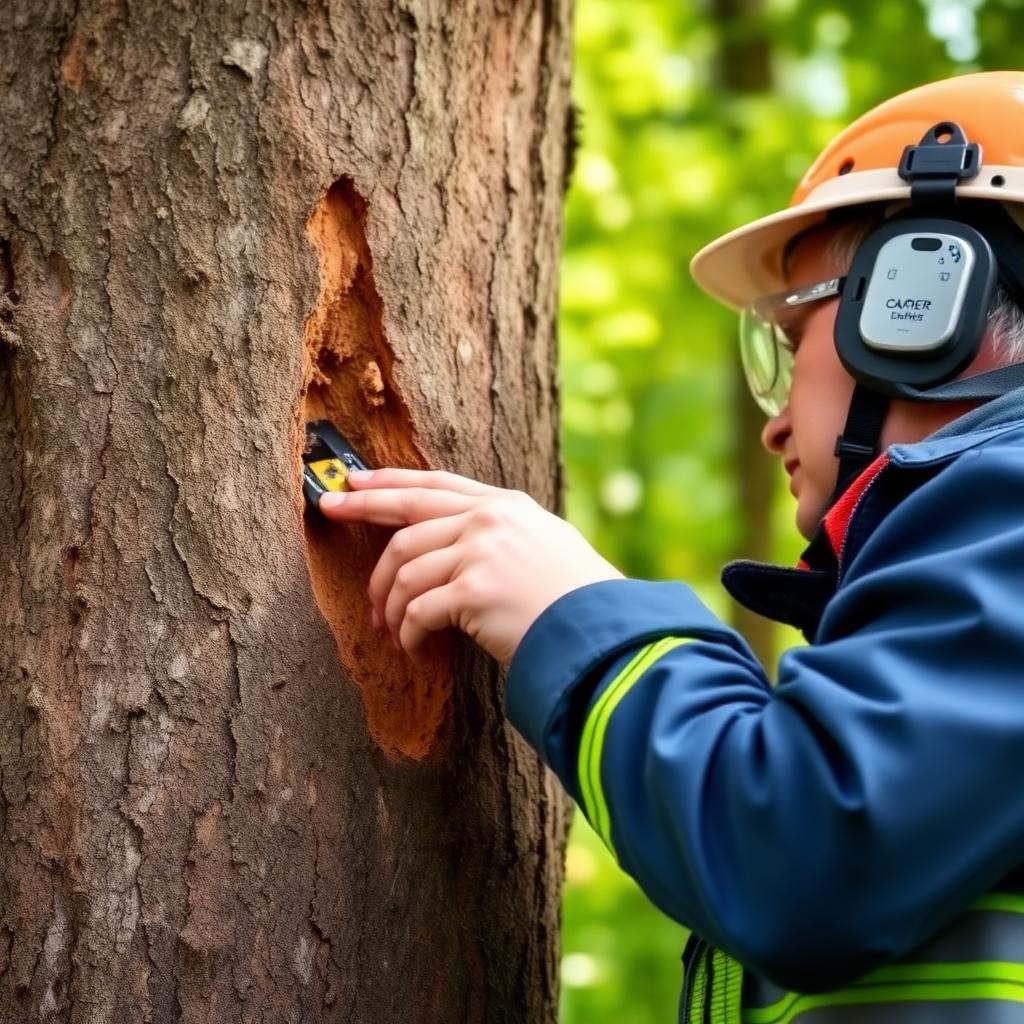
If a qualified arborist determines a tree is structurally unsound or poses an immediate risk to people or property, this may affect the permit process. An arborist report often provides important evidence for council when assessing an application. It doesn't automatically remove the need for approval, but it can significantly assist in demonstrating why removal may be necessary.
What Is an Arborist Report?
An arborist report is a professional assessment prepared by a qualified arborist. It typically includes:
- Tree species identification
- Tree measurements
- Health assessment
- Structural condition
- Defects
- Risk assessment
- Photographs
- Recommendations
- Whether removal or pruning is appropriate
Many councils request an arborist report before making a decision.
How DTS Tree & Stump Removal Can Help
Navigating planning rules can be frustrating. While we can't approve permits on behalf of councils, we can help make the process much easier.
We can assist by:
- Assessing your tree
- Identifying potential planning issues
- Advising when an arborist report may be required
- Referring you to qualified consulting arborists
- Working alongside homeowners during the permit process
- Completing safe, professional tree removal once approvals have been obtained where required
Our goal is to help you understand your options before any work begins.
Browse our full range of tree and stump removal services to see how we can help with your property.
Frequently Asked Questions
Can I remove any tree on my own property?
Not always. Planning overlays, permit conditions and council requirements may still apply.
How do I know if my property has an overlay?
Your property's planning controls can usually be checked through the Victorian planning system or by contacting your local council.
Does every council have the same rules?
No. Each council administers its own planning scheme and local policies within the Victorian planning framework.
Can I remove a dangerous tree immediately?
If a tree presents an immediate safety risk, there may be exemptions in some circumstances. However, it's important to obtain professional advice before proceeding.
Will I need an arborist report?
Not every job requires one, but many councils request a report when considering applications involving protected or significant trees.
Final Thoughts
Removing a tree in Melbourne isn't always as simple as picking up a chainsaw. State legislation, council planning schemes, local laws and planning overlays can all affect whether a permit is required. Even neighbouring properties can have completely different rules.
The good news is you don't have to work it out alone.
At DTS Tree & Stump Removal, we help homeowners understand the process, identify potential planning requirements, organise arborist reports where necessary, and safely remove trees once approvals have been obtained.
If you're unsure whether your tree requires council permission, request a free, no-obligation quote and our team will give you honest advice before any work begins.
Need a tree assessed or removed?
Free, no-obligation quotes from Melbourne's local arborists.