When Should You Trim Your Trees? A Homeowner's Guide to Healthy, Safe Trees
One of the most common questions we hear is: when is the best time to trim my trees? The right timing depends on species, health and why you're pruning. Here's what every Melbourne homeowner should know.
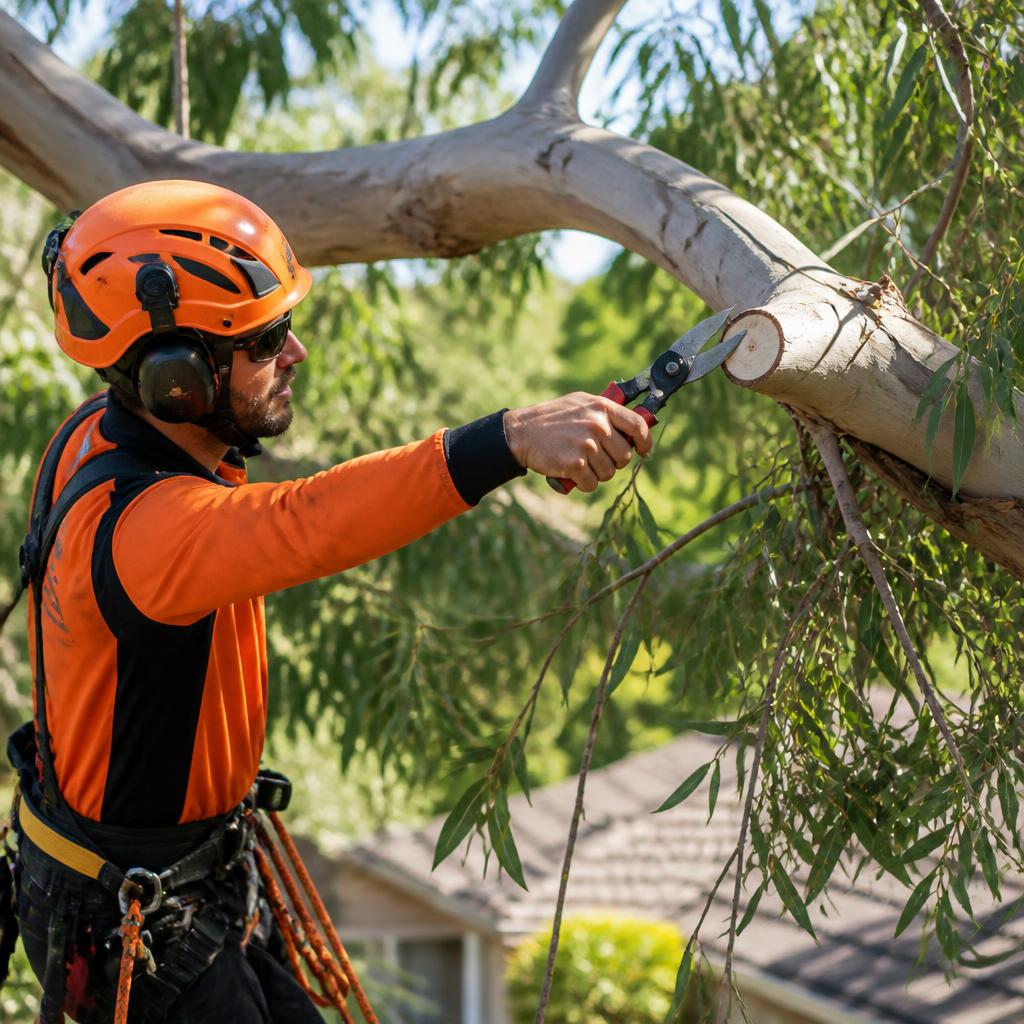
One of the most common questions we hear is:
"When is the best time to trim my trees?"
The truth is, there's no one-size-fits-all answer. The best time depends on the tree species, its health, and why you're pruning it. Trimming at the right time helps trees stay healthy, reduces safety risks, and can even save you money by preventing costly problems later.
Here's what every Melbourne homeowner should know.
Why Trim Trees in the First Place?
Tree pruning isn't just about making your garden look tidy.
Proper pruning can:
- Remove dead or dangerous branches.
- Improve the tree's health.
- Encourage strong future growth.
- Reduce the chance of branches failing in storms.
- Improve sunlight to your home or garden.
- Keep branches clear of roofs, fences and driveways.
- Maintain clearance from buildings and structures.
When done correctly, pruning extends the life of many trees.
Winter Is Often the Best Time
For many deciduous trees, winter is the ideal pruning season.
During winter, trees are dormant, making it easier to:
- See the branch structure.
- Remove crossing or damaged limbs.
- Reduce stress on the tree.
- Minimise sap loss.
- Lower the risk of some pests and diseases.
Dormant pruning also encourages healthy growth when spring arrives.
Summer Pruning Has Its Place
Light pruning during summer can also be beneficial.
Summer is a good time to:
- Remove broken branches after storms.
- Reduce limbs interfering with buildings.
- Manage fast-growing shoots.
- Improve light around solar panels.
- Remove hazardous limbs before they become a bigger problem.
Avoid removing excessive amounts of foliage during very hot weather, as trees rely on their leaves to produce energy and regulate temperature.
What About Native Australian Trees?
Many native species can be pruned throughout much of the year, but timing still matters.
Species such as:
- River Red Gum
- Sugar Gum
- Spotted Gum
- Yellow Gum
- Peppermint Gums
often respond well to pruning when weather conditions are mild and the tree is actively growing, provided the work is carried out correctly.
Because every species responds differently, it's worth seeking advice before undertaking major pruning.
Don't Wait If the Tree Is Dangerous
Safety always comes before the calendar.
If you notice:
- Dead branches
- Hanging limbs
- Storm damage
- Large cracks
- Splitting trunks
- Significant decay
- Trees leaning unexpectedly
don't wait for the "perfect" season.
Dangerous trees should be inspected and made safe as soon as possible — see our emergency tree removal service for urgent situations.
Signs Your Tree Needs Pruning
Your tree may benefit from pruning if you notice:
- Branches touching your roof.
- Limbs rubbing against each other.
- Deadwood throughout the canopy.
- Low branches obstructing vehicles or pedestrians.
- Branches over powerlines (never attempt this yourself).
- Heavy limbs extending over neighbouring properties.
- Dense canopies reducing airflow or sunlight.
Addressing these issues early is usually simpler and more affordable than waiting until they become major hazards.
Avoid Over-Pruning
One of the biggest mistakes homeowners make is removing too much at once.
Excessive pruning can:
- Stress the tree.
- Encourage weak regrowth.
- Increase sunburn on exposed limbs.
- Reduce the tree's ability to produce energy.
- Shorten its lifespan.
A well-pruned tree should still look natural. The goal is to improve the tree's structure — not strip it bare.
Does Your Tree Need a Permit?
Before carrying out major pruning, it's important to check whether your local council requires a permit.
Many Victorian councils protect certain trees based on:
- Species.
- Size.
- Location.
- Planning overlays.
- Heritage or environmental significance.
Pruning protected trees without approval can result in significant penalties.
If you're unsure, it's worth checking before any work begins.
Why Professional Pruning Matters
Tree pruning is far more than simply cutting branches.
Qualified professionals understand:
- Tree biology.
- Structural defects.
- Safe pruning techniques.
- Correct pruning cuts.
- Weight distribution.
- Long-term tree health.
Poor pruning can permanently damage a tree or create future safety hazards.
Let DTS Tree & Stump Removal Help
At DTS Tree & Stump Removal, we provide professional tree pruning services across Melbourne, helping homeowners maintain healthy, safe and attractive trees all year round.
Whether you need routine maintenance, hazard reduction, canopy thinning or clearance around your home, our experienced team can recommend the right solution for your trees.
We provide:
- Professional tree assessments
- Safe and efficient pruning
- Deadwood removal
- Storm damage clean-up
- Complete site clean-up after every job
If you're wondering whether it's time to trim your trees, contact DTS for a free quote and honest advice.
Final Thoughts
Regular pruning is one of the best investments you can make in the health and safety of your trees. While many trees benefit from pruning during winter dormancy, every tree is different, and hazardous branches should never be left waiting.
The right pruning at the right time can improve the appearance of your property, protect your home, and help your trees thrive for years to come.
Need a tree assessed or removed?
Free, no-obligation quotes from Melbourne's local arborists.