Tree Removal & Stump Grinding in Cranbourne
DTS Tree & Stump Removal is a trusted local arborist working across Cranbourne and surrounding Melbourne suburbs. From single backyard trees to large, dangerous removals — we've got Cranbourne covered.
Cranbourne Tree Removal, Estate Pruning & Stump Grinding
Cranbourne sits within City of Casey — a large south-eastern growth area mixing new estates with older treed acreage. That shapes the work we do here: estate plantings of flowering gum, bottlebrush and ornamental pear, plus mature redgums and pines on the older Berwick and Narre Warren North properties.
Before we quote a removal in Cranbourne we check the planning controls on your address, because the Casey Planning Scheme decides whether council approval is needed. Tight estate blocks with sub-metre side access, alongside larger semi-rural holdings where we can bring in machinery.
Every job in Cranbourne is fully insured ($20M public liability), planned with your property in mind, and quoted honestly with no hidden extras. If a tree is storm-damaged, dead or leaning over a house, fence or power line — call us first.
Services available in Cranbourne
Tree removal permits in Cranbourne — City of Casey
Casey's newer estates are largely free of tree controls on standard lots, so most removals don't need a permit. Native vegetation, waterway reserves and the older Narre Warren North and Berwick treed areas are the exceptions.
Planning controls for Cranbourne sit under the Casey Planning Scheme. You can confirm exactly what applies to your address with a free Planning Property Report from the Victorian Government, or we can check it for you when we quote.
Planning overlays you may strike in Cranbourne
Protects listed canopy trees and indigenous vegetation — a planning permit is normally required to remove or lop a protected tree.
Applies along creek corridors, remnant bushland and grassland reserves. Native vegetation removal generally needs approval.
Protects the treed character of a streetscape or ridgeline. Often triggers a permit even for pruning above a set diameter.
Mostly affects built form, but estate and infill areas can carry landscaping and canopy-retention conditions.
Overlay coverage varies street by street and is indicative only — always confirm against the current planning scheme for your property before removal.
Our tree removal process in Cranbourne
- 1. Free on-site assessment
We inspect the tree, the target zone and the access on your Cranbourne property, and give you a fixed written price.
- 2. Planning and overlay check
We check the Casey Planning Scheme controls for your address and tell you straight away if City of Casey approval is likely to be needed.
- 3. Permit application (if required)
If a permit is needed we help prepare the application, including an arborist report and photos supporting the removal.
- 4. Site setup and safety
Drop zones, ground protection, traffic management if needed, and notification to neighbours where we're working over a shared boundary.
- 5. Removal or dismantle
Tight estate blocks with sub-metre side access, alongside larger semi-rural holdings where we can bring in machinery.
- 6. Stump grinding and clean-up
Stumps ground 200–300mm below grade (deeper for slabs or replanting), all timber chipped and removed, and the site raked clean.
Arborist reports for City of Casey
If City of Casey requires a planning permit to remove your tree, they'll almost always want a report from a qualified arborist. We can prepare that report for you — covering species identification, health and structural condition, useful life expectancy, the risk the tree presents, and whether pruning is a reasonable alternative to removal.
We also prepare tree protection and pre-construction reports for Cranbourne developments, and hazard assessments for insurance claims after storm damage.
Common trees we work on in Cranbourne
Estate plantings of flowering gum, bottlebrush and ornamental pear, plus mature redgums and pines on the older Berwick and Narre Warren North properties.
Sandy heathland, remnant vegetation and the Casey planning scheme
Cranbourne sits within the City of Casey, on the sandy soils of the Cranbourne Sandbelt that also support Royal Botanic Gardens Cranbourne and the surrounding heathland reserves. Pockets of remnant native vegetation — heathy woodland species like coast banksia, silver banksia and scattered manna gum — still turn up on older Cranbourne blocks and along reserve boundaries, and these are the trees most likely to trigger Casey's Environmental Significance or Vegetation Protection Overlay. A permit is generally required to remove genuinely indigenous vegetation in these areas.
The bulk of Cranbourne, though, is established or newer residential estate land — around Casey Fields, Cranbourne North and the older streets near the racecourse — where standard planted exotics and ornamental natives on an unencumbered lot usually don't need council approval to remove. We confirm which category a tree falls into at inspection, since sandy-soil blocks near the botanic gardens and reserves are treated differently to a standard estate backyard.
Sandy soil, drainage and root stability
Cranbourne's free-draining sandy soil behaves very differently to the clay found further north in Casey — trees establish quickly but can also develop shallower, less anchored root systems, particularly fast-growing ornamental pears and flowering gums planted in estate developments. After heavy rain or strong wind events we see more lean and root-plate movement here than trunk failure, which changes how we assess risk on a Cranbourne property.
The sandy ground is, however, kind to our equipment — stump grinding is generally faster and cleaner here than on the clay soils further inland, and access for the tip truck and chipper is rarely limited by wet, boggy ground the way it can be on the Casey and Cardinia foothills.
Most common Cranbourne jobs
Removal of failing or storm-damaged estate trees — flowering gums, ornamental pears and bottlebrush — across the established and newer Cranbourne subdivisions.
Assessment and, where required, permit-supported removal of remnant heathland species near reserve boundaries and older bushland-fringe blocks.
Stump grinding to clear space for sheds, decking and landscaping on standard residential lots.
Hedge and windbreak reduction on the older acreage-style properties toward Cranbourne South and Devon Meadows.
Cranbourne is around 60–75 minutes from our Kealba yard; we run same-day emergency response there for trees on structures, vehicles or driveways.
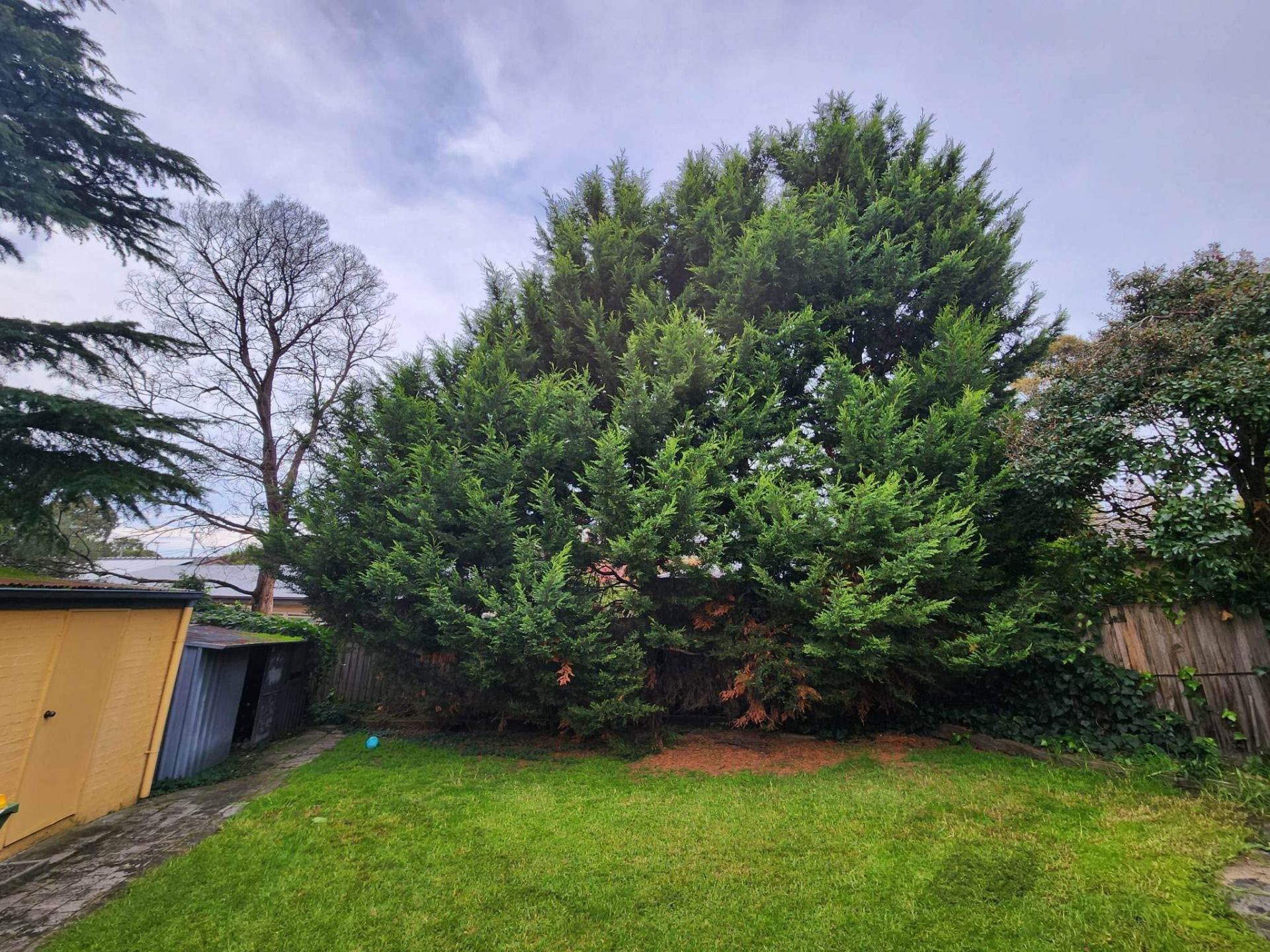
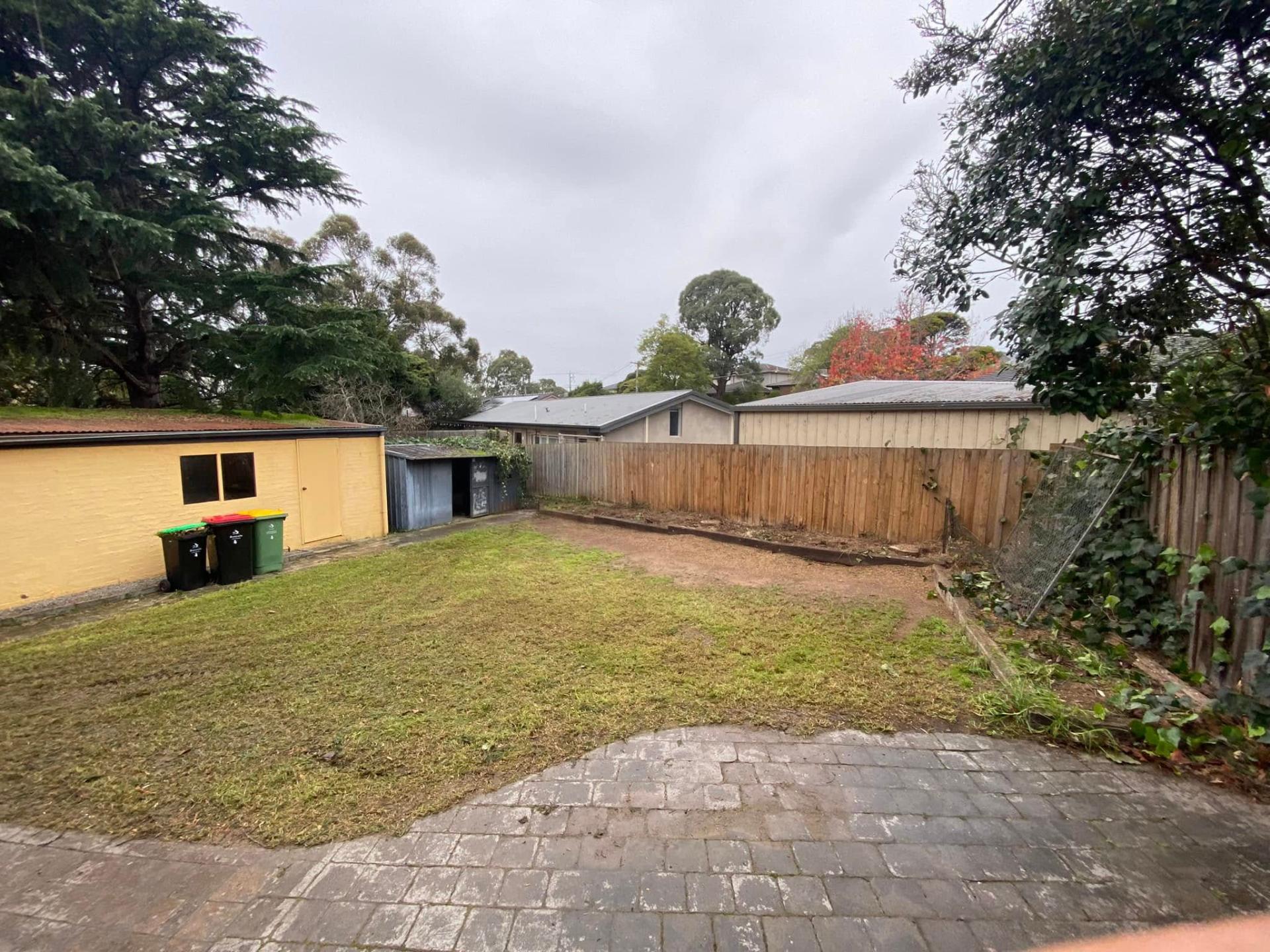
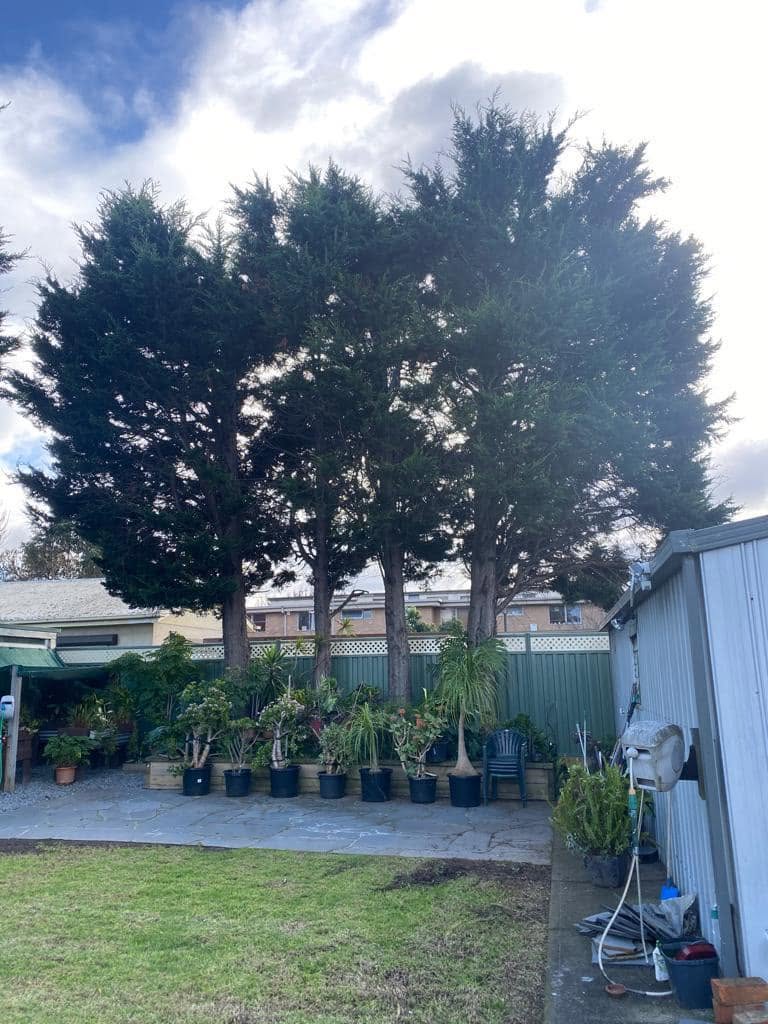
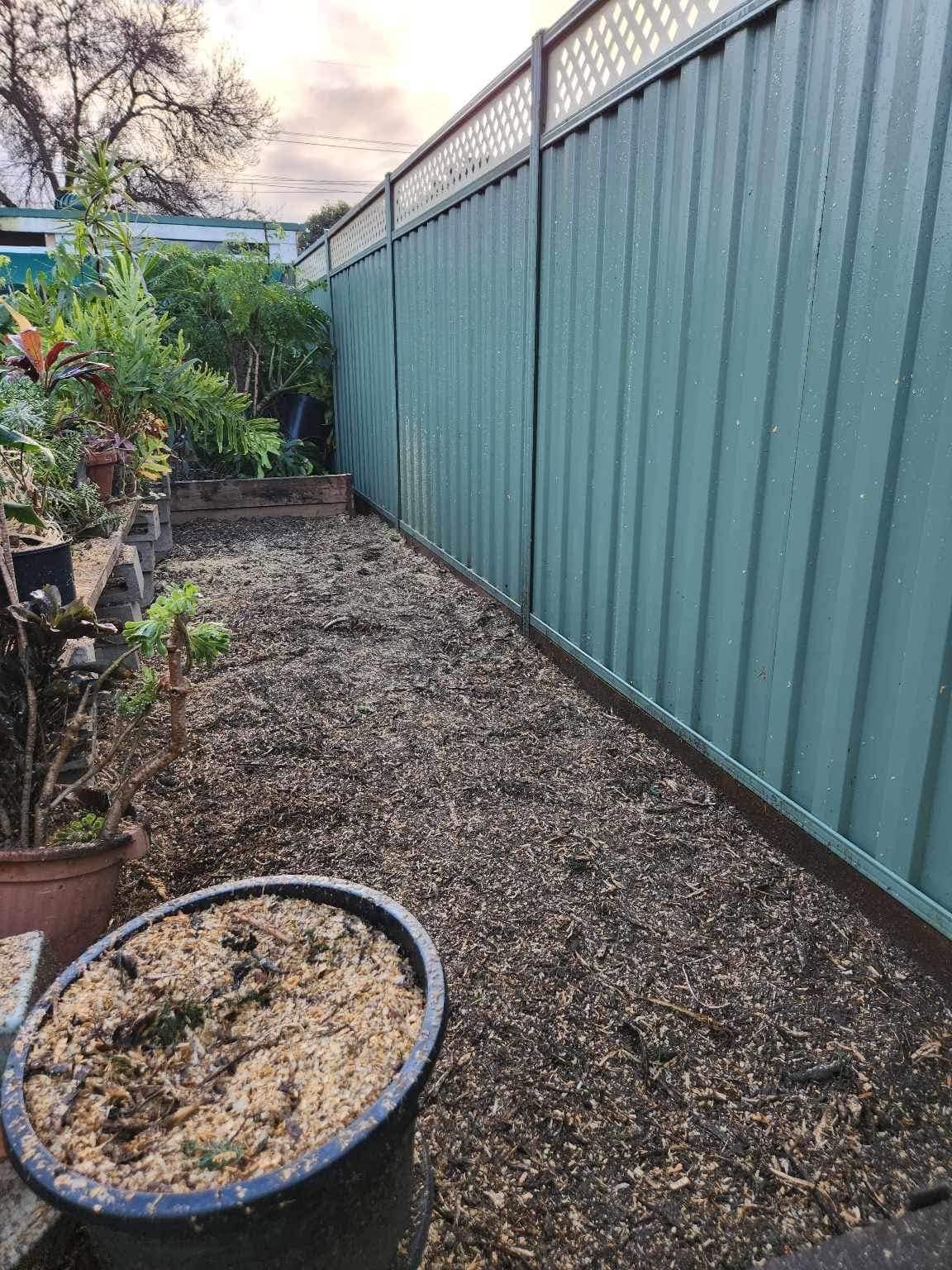
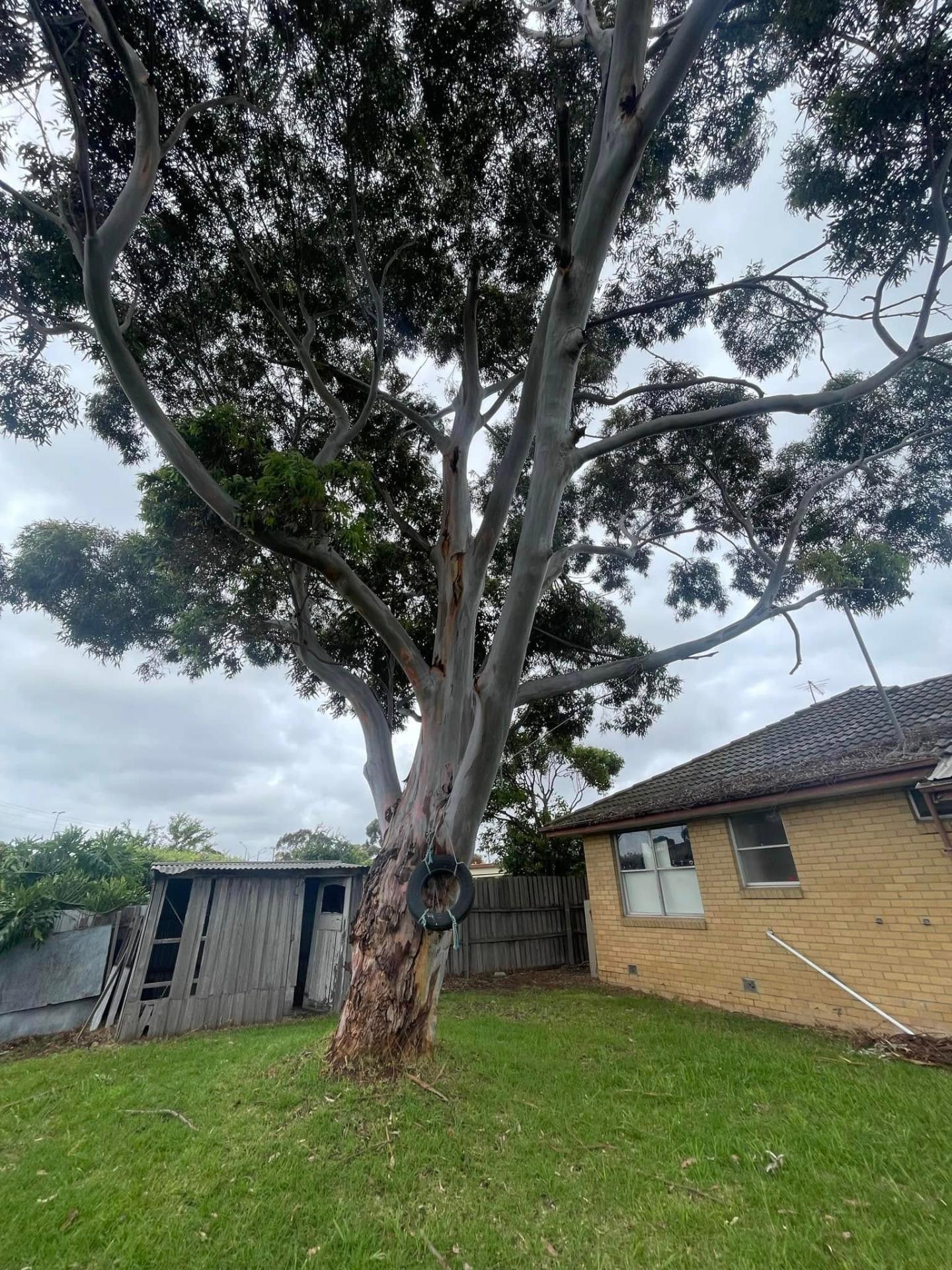
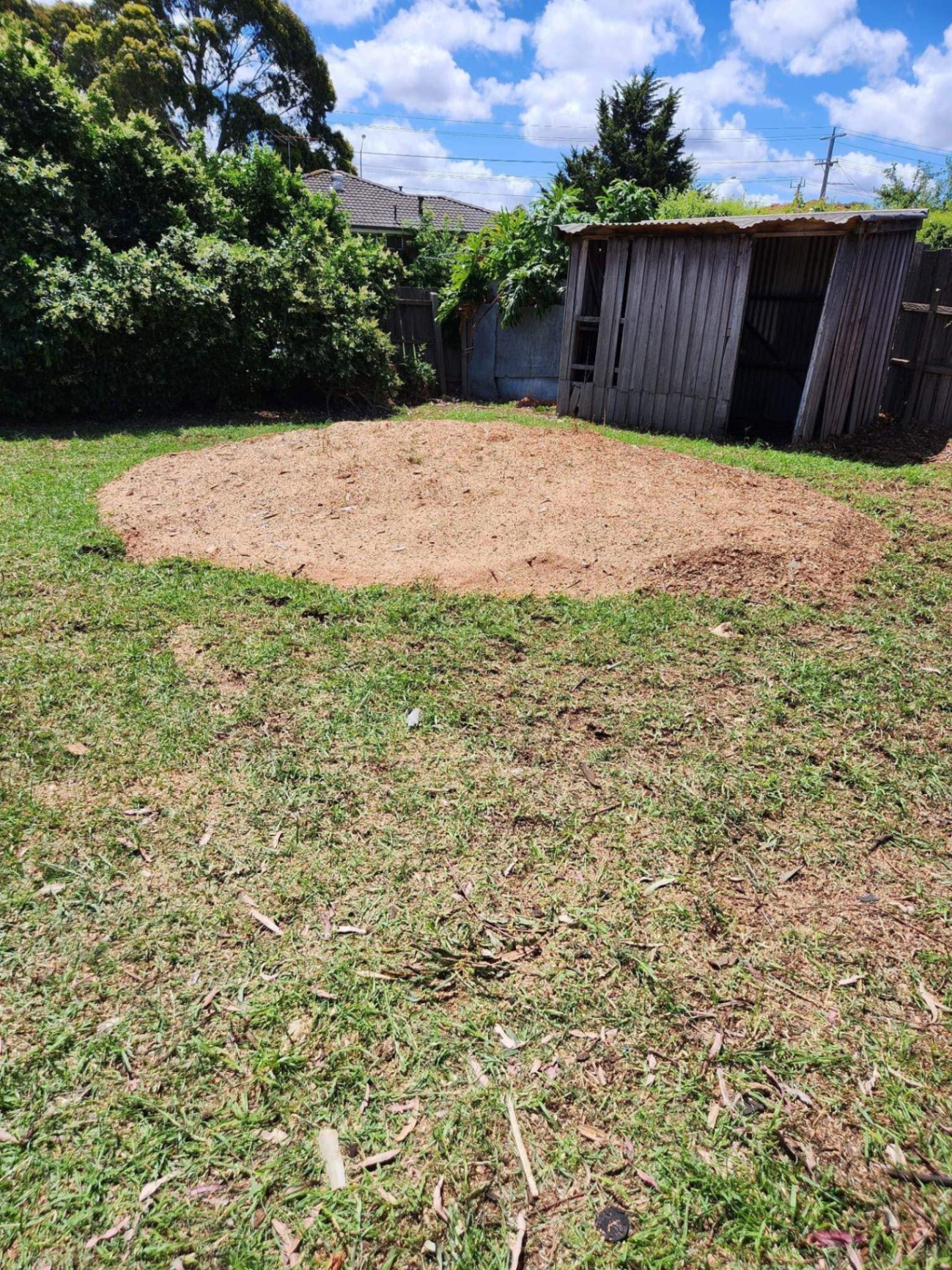
Recent DTS jobs — before & after
Real photos from removals, cypress rows and stump grinds our crews have completed across Melbourne — the same gear and process we bring to Cranbourne.
Why Cranbourne homeowners choose DTS
- ✓Fully insured — $20M public liability cover
- ✓Large tree specialists — gums, pines, cypress and palms
- ✓Tight-access removals with sectional rigging and narrow-access gear
- ✓Full clean-up, chipping and green-waste removal
- ✓Free on-site quotes — no obligation, usually same day
- ✓Local crew servicing Cranbourne weekly
- ✓24/7 emergency call-outs for storm damage
Emergency tree removal in Cranbourne — 24/7
Tree down across the driveway, a limb on the roof or a new lean after a windy night in Cranbourne? We answer the phone around the clock and mobilise from our Kealba yard with cranes, EWPs, chippers and rigging — usually on site the same day, and within a few hours in normal conditions. Storm damage is commonly covered by home insurance, and we supply the photos, itemised quotes and arborist reports insurers ask for.
Tree removal prices in Cranbourne
Indicative ranges for Cranbourne jobs with reasonable access and full green-waste removal included. Difficult access, powerlines or crane work push a job toward the top of its range — we give you a fixed price on site.
| Job | Typical cost | Example |
|---|---|---|
| Small tree (up to 5m) | $450 – $900 | Ornamental pear, fruit tree, small wattle |
| Medium tree (5–10m) | $900 – $2,000 | Silver birch, melaleuca, established conifer |
| Large tree (10–20m) | $2,000 – $4,500 | Mature gum, cypress, liquidambar |
| Very large / crane work (20m+) | $4,500 – $10,000+ | Large eucalypt over a house or pool |
| Stump grinding | $100 – $600 | Priced by stump diameter, cheaper booked with the removal |
Cranbourne tree removal FAQs
It depends on the planning overlays on your title and whether the tree is native or on the nature strip. City of Casey controls removal through the planning scheme and its local law. We check the controls for your address free of charge when we quote.
Most Cranbourne removals fall between $450 and $6,500. Small trees under 5m are typically $450–$900, medium trees $900–$2,000 and large trees over 10m $2,000–$4,500. Access, proximity to buildings and whether a crane is needed are the biggest price drivers.
We service Cranbourne weekly and can usually quote within 24–48 hours. Storm damage and dangerous trees are prioritised, with 24/7 emergency call-outs available.
Yes. We grind stumps 200–300mm below grade — deeper if you're laying a slab or replanting — and remove or leave the mulch, whichever you prefer. Booking it with the removal is cheaper than a separate visit.
Yes — DTS carries $20 million public liability insurance on every job. Our current Certificate of Currency is available on request or from our insurance page.
Usually not for a standard planted tree on an unencumbered residential estate lot. You will generally need a City of Casey planning permit for remnant native or heathland vegetation, particularly near the botanic gardens and bushland reserves. We check the overlay status of your address before quoting.
Small estate trees typically run $400–$700, mid-size removals with normal access $1,200–$2,500, and larger trees needing rigging or an EWP $3,000+. Sandy soil generally keeps access and stump-grinding costs a little lower than clay-based suburbs.
Yes, we run 24/7 emergency call-outs across Cranbourne, Cranbourne North and Cranbourne South. For a tree on a house, car or blocking a driveway we aim to be on site the same day.
Yes — we answer the phone 24 hours a day, 7 days a week, including weekends and public holidays. Call 0468 355 722 and you speak to an arborist who can triage the job immediately. Our crews and equipment are based at 16a Driscolls Rd, Kealba, so we can usually reach Cranbourne the same day, and within a few hours in normal conditions.
Keep everyone clear of the tree and anything beneath it, move cars out from under damaged limbs, and never touch a tree in contact with power lines — call your electricity distributor's emergency line first. Photograph the damage from a safe distance for your insurer, then call us on 0468 355 722 for emergency make-safe works.
Tree care guides for Cranbourne
- Do I need council permission to remove a tree in Melbourne? →
- How much does tree removal cost in Melbourne? →
- Storm-damaged trees: what every homeowner should do →
- 7 warning signs your tree could become dangerous →
Serving Cranbourne from our Kealba base
Our yard and equipment are based at 16a Driscolls Rd, Kealba VIC 3021, so our crews reach Cranbourne quickly — including same-day emergency call-outs after storms. Find us on Google Maps.