Why Trees Fail: Understanding Tree Biology, Root Systems and Tree Diseases
Age is rarely why a tree becomes dangerous. Here's how tree biology, shallow root systems and hidden decay combine to cause failure — and the warning signs Melbourne homeowners should watch for.
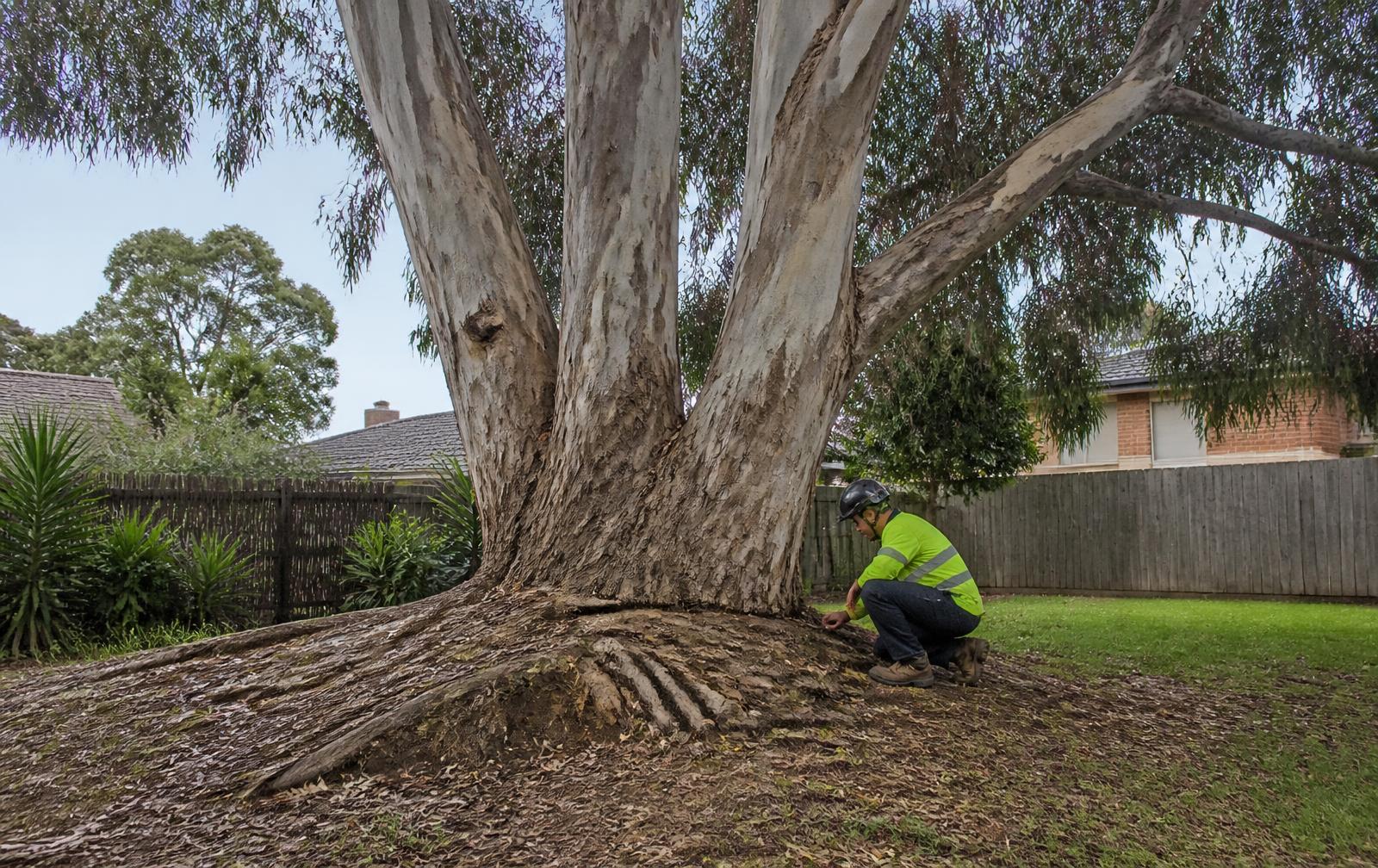
A healthy tree can stand strong for hundreds of years, surviving storms, droughts and changing seasons. Yet every year across Melbourne, trees unexpectedly fall, split, or decline — sometimes causing significant damage to homes, vehicles and even putting lives at risk.
Many people assume a tree fails simply because it is old. In reality, age is rarely the main reason a tree becomes dangerous. Understanding how trees grow, how their root systems work, and how disease affects their structure can help property owners recognise warning signs before a tree becomes a hazard.
At DTS Tree & Stump Removal, we've spent decades assessing trees throughout Melbourne. One thing we've learned is that every tree tells a story — if you know what to look for.
Trees Are Living Organisms
Trees are remarkable living organisms. Unlike buildings or fences, they are constantly growing, adapting and responding to their environment.
A tree consists of several important parts:
- Leaves produce energy through photosynthesis
- Branches transport nutrients and support the canopy
- The trunk provides structural strength
- The cambium layer produces new wood each year
- Roots anchor the tree while absorbing water and nutrients
When any one of these systems becomes compromised, the entire tree can begin to decline.
Why Do Trees Fail?
Tree failure is usually caused by a combination of factors rather than one single issue.
1. Structural Weakness
Some trees naturally develop structural defects as they grow. These include:
- Co-dominant stems
- Included bark
- Large cavities
- Weak branch unions
- Excessive lean
These defects can remain hidden for years before eventually failing during strong winds or heavy rain.
2. Root System Failure
One of the biggest misconceptions is that tree roots grow deep into the ground. In reality, most tree roots are surprisingly shallow.
Around 90% of a tree's absorbing roots are found within the top 600 mm of soil. These roots spread well beyond the edge of the canopy, often extending two to three times the width of the tree.
Because roots are close to the surface, they can easily be damaged by:
- Excavation
- Driveway construction
- Soil compaction
- Trenching
- Raised garden beds
- Poor drainage
When a tree loses a significant portion of its root system, it may no longer have enough support to remain stable. This is one of the most common causes of whole-tree failure during storms.
The Hidden Role of Tree Biology
Many homeowners only notice problems when leaves begin falling or branches start dying. However, by the time these symptoms appear, the tree may have been declining internally for many years.
Trees naturally compartmentalise injuries. Instead of "healing" like humans, they isolate damaged tissue to slow the spread of decay.
If decay progresses faster than the tree can contain it, structural strength begins to decrease even though the outside of the trunk may appear healthy. This is why some trees suddenly fail without much warning.
Tree Diseases That Lead to Failure
Disease doesn't always kill a tree immediately, but it can dramatically reduce its strength. Common problems include:
Root Rot
Fungal pathogens attack the root system, reducing the tree's ability to absorb water while weakening its anchor in the soil. Signs include:
- Yellowing leaves
- Dieback
- Poor growth
- Leaning
- Mushrooms around the base
Heart Rot
Heart rot affects the centre of the trunk. Although the outer trunk may appear solid, the interior can become hollow and structurally weak. Large mature gums often develop internal decay after previous branch failures or storm damage.
Canker Diseases
Certain fungal and bacterial infections create dead patches on branches or trunks. These areas interrupt the flow of water and nutrients, eventually causing branches to die and become hazardous.
Dieback
Dieback isn't a disease itself but a symptom of stress. It may result from:
- Drought
- Poor soil
- Root damage
- Insect attack
- Disease
Dead branches become brittle and can fall without warning.
Storms Don't Usually Cause Tree Failure
Strong winds often get blamed for fallen trees. In reality, storms usually expose problems that already existed. A healthy, structurally sound tree is surprisingly resilient.
Storms simply reveal hidden weaknesses such as:
- Decayed roots
- Hollow trunks
- Weak branch attachments
- Internal cracks
- Previous construction damage
This is why regular inspections are so important.
Common Warning Signs
Homeowners should watch for:
- Large dead branches
- Cracks in the trunk
- Mushrooms at the base
- Sudden leaning
- Soil lifting around the roots
- Hollow sounding trunks
- Cavities
- Splitting bark
- Sparse foliage
- Large limbs over buildings
Early assessment can often prevent expensive property damage.
Can a Sick Tree Be Saved?
Not every declining tree needs removal. Depending on the condition, professional arboricultural management may include:
- Corrective pruning
- Deadwood removal
- Crown reduction
- Cabling or bracing
- Soil improvement
- Mulching
- Root zone protection
In some cases, however, removal is the safest option, particularly when the structural integrity of the tree has been compromised.
Professional Tree Assessments Matter
Tree health isn't always obvious from the ground. A tree may appear healthy while hiding extensive internal decay.
Professional assessment considers:
- Species characteristics
- Structural defects
- Root health
- Soil conditions
- Tree biology
- Disease progression
- Target risk (homes, vehicles and people)
Making an informed decision early can reduce risk and often save significant repair costs later.
Trust DTS Tree & Stump Removal
At DTS Tree & Stump Removal, we've spent decades working with Melbourne's trees, from mature River Red Gums and Sugar Gums to pines, cypress, liquidambars and ornamental species.
Our experienced team understands how trees grow, why they fail, and how to identify problems before they become dangerous. Whether you need advice on a declining tree, professional pruning, or safe tree removal, we're committed to providing honest recommendations and workmanship to the highest standard.
If you're concerned about the health or safety of a tree on your property, contact DTS Tree & Stump Removal for a professional assessment and expert advice. Early action today can help prevent costly damage tomorrow.
Frequently asked questions
- Why do trees fall over even when they look healthy?
- Most whole-tree failures come from root damage or internal decay that isn't visible from the ground. A tree can hold a full, green canopy while its anchoring roots or trunk core have already been compromised.
- How deep do tree roots actually grow?
- Far shallower than most people expect. Around 90% of a tree's absorbing roots sit within the top 600 mm of soil and spread two to three times wider than the canopy.
- Does a mushroom at the base of my tree mean it's dying?
- Fungal fruiting bodies at the base often indicate root or butt rot, which reduces the tree's anchorage. It should always be assessed by a qualified arborist.
- Can a tree with internal decay be kept?
- Sometimes. If enough sound wood remains and the target risk is low, pruning, weight reduction or bracing may allow the tree to be retained with ongoing monitoring.
- How often should trees near my house be inspected?
- Every one to three years for trees near homes, driveways or play areas — and straight after major storms or any nearby excavation work.
Need a tree assessed or removed?
Free, no-obligation quotes from Melbourne's local arborists.