Why Trees Fall Without Warning in Melbourne: Understanding Tree Biology, Root Failure and Hidden Tree Diseases
Storms rarely create dangerous trees — they expose them. Here's how root failure and hidden decay bring down healthy-looking Melbourne trees, and the warning signs to watch for.
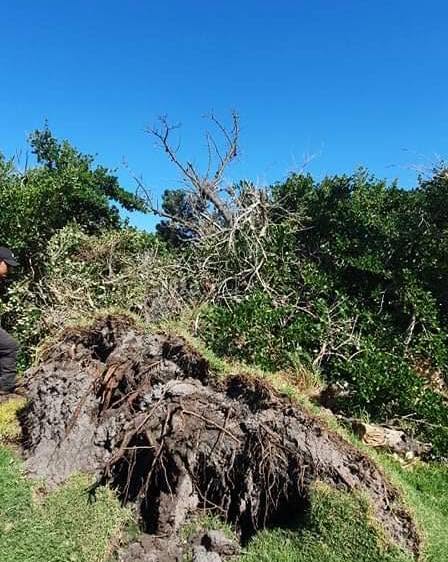
Have you ever driven down your street after a storm and wondered why a seemingly healthy tree has suddenly fallen over?
It happens more often than many people realise. While strong winds can certainly bring trees down, many tree failures begin years before the tree actually falls. The warning signs are often hidden beneath the ground or deep inside the trunk.
At DTS Tree & Stump Removal, we've seen countless trees that appeared perfectly healthy from the outside but were structurally compromised internally. Understanding why trees fail can help protect your home, your family, and your neighbours.
Trees Don't Usually Fail Overnight
A tree falling is often the final result of years of decline.
Trees are living organisms. Like people, they can become stressed, injured, diseased or weakened over time. While leaves may still appear green and healthy, the structural parts of the tree may already be failing.
Many dangerous trees show only subtle warning signs before they collapse.
Understanding Tree Biology
To understand why trees fail, it helps to know how a tree is built. A tree has four major structural systems:
- Roots that anchor the tree and absorb water and nutrients
- The trunk, which supports the tree and transports water throughout the plant
- Branches that distribute the weight of the canopy
- Leaves that produce energy through photosynthesis
If any one of these systems becomes compromised, the entire tree can become unstable.
Unlike humans, trees cannot heal damaged wood. Instead, they attempt to compartmentalise decay. Once decay reaches important structural wood, the tree becomes progressively weaker.
Root Failure: The Hidden Cause of Many Tree Falls
One of the most common reasons trees fall is root failure.
The majority of a tree's roots are found within the top 300 to 600 millimetres of soil. These roots spread far wider than the canopy and are responsible for anchoring the entire tree. When these roots become damaged, stability is significantly reduced.
Common causes include:
- Construction and excavation
- Trenching for plumbing or electrical services
- Driveway installations
- Soil compaction from vehicles
- Long periods of drought
- Waterlogged soil after heavy rain
- Root decay caused by fungi
Many homeowners assume a tree's deep roots hold it firmly in place. In reality, most tree roots spread outward rather than downward, making them vulnerable to disturbance.
Hidden Tree Diseases
Some of the most dangerous trees show almost no visible symptoms until they fail. Common issues include:
Internal Trunk Rot
Decay fungi slowly break down the structural timber inside the trunk while leaving the outer bark relatively untouched. The tree may still produce healthy leaves even though much of its structural strength has disappeared.
Root Rot
Various fungal diseases attack the root system beneath the soil. As roots decay, they lose their ability to anchor the tree. Eventually the entire root plate can fail, causing the tree to topple over.
Dead Branch Disease
Sometimes only sections of the tree die while the remainder continues growing. Large dead limbs become brittle and may fall without warning, particularly during windy conditions.
Weather Is Often Only the Final Trigger
Storms usually don't create dangerous trees. They simply expose trees that were already weakened.
High winds, saturated soils and heavy rainfall place additional pressure on compromised root systems and decayed trunks. This is why two neighbouring trees can experience the same storm, yet only one falls.
Warning Signs Your Tree May Be Unsafe
Watch for:
- A noticeable lean that is getting worse
- Large cracks in the trunk
- Cavities or hollow sections
- Mushrooms growing around the base
- Soil lifting around the roots
- Dead branches throughout the canopy
- Peeling bark
- Major branches that have recently broken
- Decay around previous pruning wounds
If you notice any of these signs, it's worth having the tree professionally assessed before it becomes an emergency.
Melbourne Trees Most Commonly Seen With Structural Problems
While every tree should be assessed individually, some species commonly experience structural issues as they mature, particularly when poorly maintained. Examples include:
- River Red Gum
- Sugar Gum
- Manna Gum
- Monterey Pine
- Cypress species
- Poplars
- Willows
Many of these trees become hazardous because of age, previous poor pruning, storm damage or disease — not simply because of the species itself.
Can Regular Pruning Prevent Tree Failure?
In many cases, yes. Correct pruning can:
- Reduce excessive branch weight
- Remove dead timber
- Improve canopy balance
- Reduce wind loading
- Encourage healthier branch structure
However, incorrect pruning can make a tree more dangerous. Large topping cuts, excessive branch removal and poor pruning techniques often lead to decay, weak regrowth and future structural problems.
Professional pruning should always focus on the long-term health and stability of the tree.
When Should a Tree Be Removed?
Tree removal may be the safest option when:
- The tree has significant structural decay
- Root failure is likely
- Major limbs have become unsafe
- The tree poses a risk to homes, vehicles or people
- The tree cannot be safely managed through pruning
Every tree is different, and removal should always be based on the tree's condition, location and overall level of risk.
Why Experience Matters
Tree work isn't simply about cutting branches. It requires an understanding of tree biology, structural defects, safe dismantling techniques and the surrounding environment.
At DTS Tree & Stump Removal, we've spent years working with Melbourne's diverse range of tree species. Every job begins with assessing the safest and most appropriate solution, whether that's pruning, risk reduction or complete removal. Our goal is always to provide honest advice, quality workmanship and personalised service that puts safety first.
Tree assessments and removal in your suburb
We assess and remove hazardous trees right across Melbourne — including:
Need Professional Advice?
If you're concerned about a tree on your property, don't wait until the next storm.
We provide honest advice, professional tree assessments and safe tree removal services across Melbourne. Whether your tree needs pruning, risk reduction or complete removal, we'll explain your options and help you make an informed decision. Contact DTS Tree & Stump Removal today for expert advice and a no-obligation quote.
Frequently asked questions
- Can a healthy-looking tree still fall?
- Yes. Many dangerous trees have internal decay or root damage that cannot be seen from the outside.
- Should I remove a leaning tree?
- Not always. Some trees naturally lean. However, if the lean has recently increased or the soil around the roots is lifting, it should be inspected promptly.
- Do mushrooms at the base of a tree mean it's dangerous?
- They can indicate fungal activity and possible root or trunk decay. While not every mushroom means a tree is unsafe, it's a sign that should not be ignored.
- Can heavy rain cause trees to fall?
- Yes. Saturated soil reduces the roots' ability to grip the ground, particularly if the tree already has root damage or decay.
- Is pruning better than removal?
- Whenever possible, retaining a healthy tree through appropriate pruning is often the preferred option. However, if the tree presents an unacceptable risk, removal may be the safest solution.
Need a tree assessed or removed?
Free, no-obligation quotes from Melbourne's local arborists.